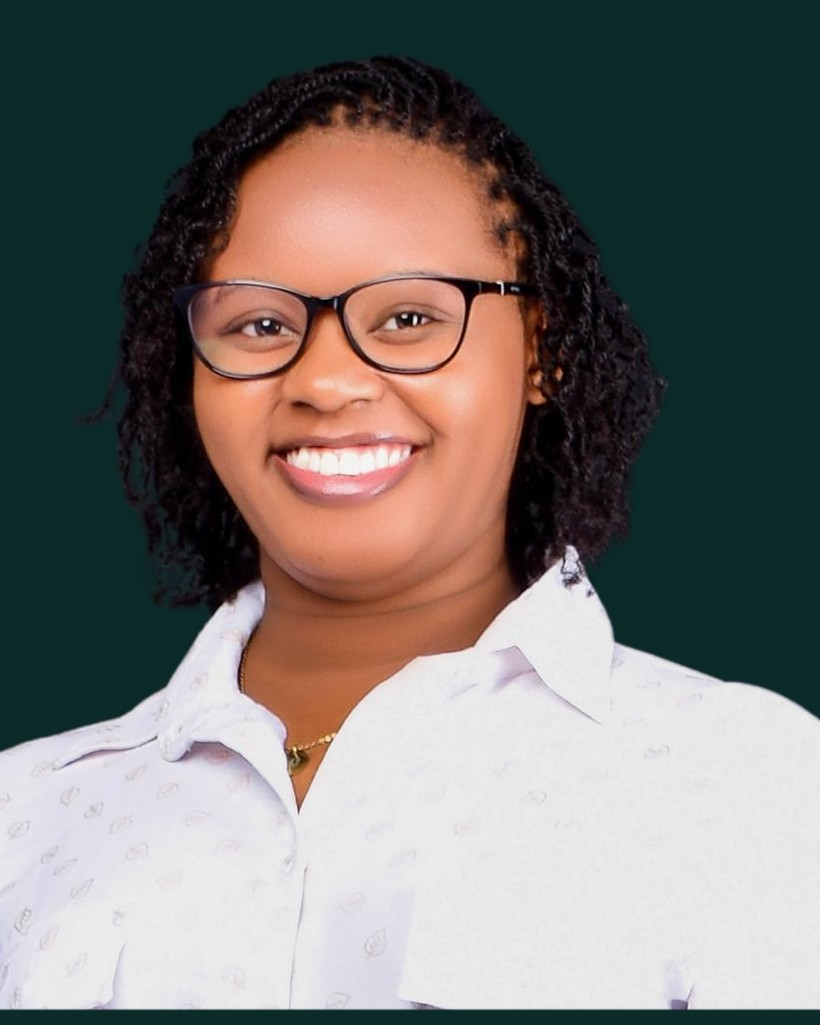
I trained as a physiotherapist, and my early rotations were the ordinary ones —
medical care, neurology, cardiothoracics, paediatrics, burns, diabetic care, orthopaedics,
intensive care and obstetrics. Useful years. None of them prepared me for the woman who
arrived one morning, a cancer patient, with a leg she had been carrying — quite
literally — for over a decade.
She had been to more hospitals than she could count. She had been told it was her blood,
her diet, her weight, her marriage, and her ancestors. What she had was lymphoedema: a
chronic failure of the lymphatic system to drain fluid from the tissues, entirely
identifiable and entirely treatable. Nobody had said the word to her.
That is a common story across Kenya and the entire African continent, and it is the reason my work looks the way it does. I
qualified as a certified lymphoedema therapist and have led lymphoedema services at
Kenyatta National Hospital since. But treating limbs one at a time was never going to be
enough. Trained lymphoedema therapists in Kenya and across the African continent are few, and almost all of them
are in cities. The arithmetic does not work.
So I have spent the last several years building the things that scale. A multidisciplinary
programme that pulls oncology, plastic and vascular surgery, occupational therapy,
nutrition, mental health and nursing around the same patient. A certification course and
curriculum so that physiotherapists can be trained here, at home, rather than sent abroad.
A webinar series that reached more than five thousand health workers. And in March 2026,
Kenya's first World Lymphoedema Day — because a condition that has never been
publicly named cannot be publicly funded.
I founded Lymphyt Lymphoedema and Physiotherapy Centre to give this work a permanent home:
a specialised centre for education and health promotion, prevention, early diagnosis, early
intervention, rehabilitation and professional training. I also chair the Kenya National
Chapter of the Lymphatic Education & Research Network. The work ahead is policy and
cover: lymphoedema still sits outside most national health strategies in Kenya and across the
African continent,
and compression garments — the single most important thing a patient needs for the
rest of their life — are still largely paid for out of pocket.
What I want is unglamorous and specific. I want a clinical officer in a coastal district to
recognise filarial lymphoedema. I want a breast surgeon to refer for baseline limb
measurement before the first operation, not after the fourth swelling. I want a woman with
a heavy leg to hear the word for what she has on her first visit, not her fortieth. And I
want that to be true in Nairobi, in Kampala, in Lagos and in Accra.